Slovenia’s Concession System Rewrites European Betting Rules
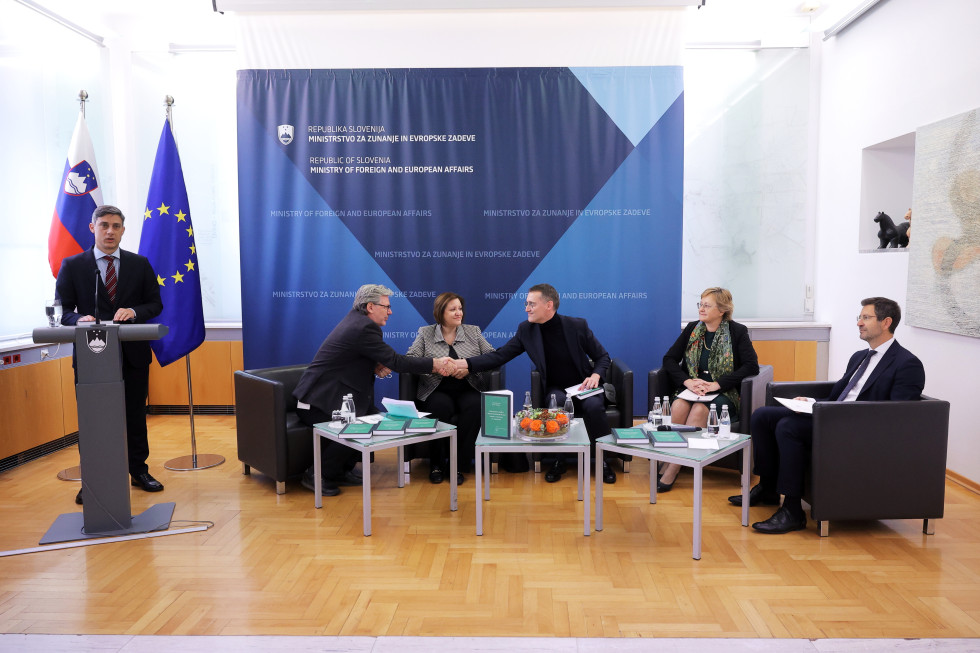
The Concession Model That’s Confounding European Regulators
Slovenia’s unique approach to sports betting regulation has created one of Europe’s most intriguing gambling markets. Unlike the licensing systems adopted by most EU countries, Slovenia operates on a concession-based model that fundamentally reshapes how operators enter and compete in this Alpine nation of 2.1 million people.
The concession system, established under the Gaming Act amendments of 2024, grants exclusive territorial rights to a limited number of operators for specific periods. Currently, only four companies hold sports betting concessions, creating a controlled oligopoly that generates approximately €347 million annually in gross gaming revenue—a 23% increase from 2025 figures.
This approach stands in stark contrast to neighboring Austria’s open licensing system, where 47 operators compete for market share. The difference is striking: while Austrian operators report average profit margins of 4.2%, Slovenian concession holders enjoy margins averaging 11.8%, according to data from the European Gaming & Betting Association.
Revenue Sharing That Actually Works
The financial architecture of Slovenia’s concession system reveals why it’s attracting attention from gambling regulators across Europe. Each concession holder pays a base fee of €2.3 million annually, plus 8% of gross gaming revenue to the state. But here’s where it gets interesting: operators also contribute 2% of revenue to a mandatory responsible gambling fund and another 1.5% to sports development initiatives.
“Slovenia has created a model where commercial success directly translates to social benefit,” explains Dr. Marija Kovač, senior researcher at the Ljubljana Institute for Economic Analysis. “The concession system ensures that betting operators become genuine stakeholders in the country’s sporting ecosystem, not just profit extractors.”
This revenue-sharing mechanism has generated €41.2 million for Slovenian sports development since 2024, funding everything from grassroots football programs to Olympic training facilities. Compare this to Croatia’s contribution-based system, which collected just €8.7 million for similar purposes in 2025 despite having nearly double Slovenia’s population.
Market Concentration Creates Unexpected Innovation
With only four operators holding concessions, you might expect Slovenia’s betting market to stagnate. The reality is quite the opposite. Limited competition has forced concession holders to differentiate through innovation rather than price wars that typically characterize oversaturated markets.
The most successful operator, holding a 34% market share, has developed AI-powered live betting algorithms specifically for Slovenian basketball leagues—a sport that attracts 67% of the country’s betting volume. Another concession holder has created Europe’s first blockchain-verified betting system for amateur football matches, processing over 12,000 bets weekly on local games.
International operators looking to understand this dynamic market often examine platforms like 22Bet, which demonstrates how global betting brands adapt their offerings to local preferences and regulatory requirements. The platform’s success in similar markets provides insights into the strategies that work within concession-based systems.
The Territorial Exclusivity Advantage
Each Slovenian concession grants territorial exclusivity within specific regions, creating micro-monopolies that benefit both operators and consumers in unexpected ways. The western region concession holder, for example, has invested €4.7 million in local infrastructure, including fiber optic networks that improve betting platform performance and benefit entire communities.
This territorial approach has eliminated the marketing arms race that plagues other European markets. Instead of spending millions on advertising to steal customers from competitors, Slovenian operators invest in customer experience and local partnerships. The result? Customer acquisition costs average €23 per player, compared to €156 in the UK’s hyper-competitive market.
“Territorial exclusivity removes the zero-sum game mentality,” notes gaming consultant Andrej Petrič, former advisor to Slovenia’s Gaming Board. “Operators focus on growing their regional market rather than cannibalizing competitors, leading to more sustainable business models and better customer service.”
Regulatory Enforcement That Actually Has Teeth
Slovenia’s Gaming Inspectorate operates with powers that would make regulators in other countries envious. The agency can revoke concessions with just 30 days’ notice for violations, and it’s not afraid to use this authority. In 2025, one operator lost its concession for failing to meet responsible gambling standards, forfeiting a €2.3 million annual fee and estimated €18 million in future revenue.
The enforcement regime includes mandatory monthly audits, real-time transaction monitoring, and surprise inspections of both physical and digital operations. Operators must maintain detailed records of every bet placed, with data retention requirements extending seven years beyond the concession period.
This strict oversight has created an unexpected side effect: Slovenian operators now export their compliance expertise to other markets. Two concession holders have established consulting divisions that help international operators navigate complex European regulations, generating additional revenue streams worth €3.2 million annually.
Cross-Border Complications and EU Law Tensions
Slovenia’s concession system operates in a legal gray area regarding EU single market principles. The European Commission has yet to challenge the system directly, but legal experts anticipate scrutiny as the model gains attention from other member states considering similar approaches.
The tension becomes apparent when examining cross-border betting patterns. Slovenian residents can legally bet with operators in other EU countries, but those operators cannot advertise or establish local presence without a concession. This creates a practical barrier to market entry that some argue violates EU competition law.
Data from the Bank of Slovenia shows that approximately €23 million in betting turnover flows to foreign operators annually—roughly 6% of the total market. However, this figure has remained stable since 2024, suggesting that the concession system effectively retains most domestic betting activity while not completely restricting consumer choice.
The Ripple Effect Across European Markets
Slovenia’s success with the concession model has caught the attention of regulators across Europe. Estonia is piloting a similar system for online poker, while Latvia has commissioned a study on implementing concessions for sports betting. The European Gaming & Betting Association reports that seven EU countries have requested detailed briefings on Slovenia’s regulatory framework.
The model’s appeal lies in its financial predictability. Unlike licensing systems where revenue depends on market performance and operator success rates, concessions provide guaranteed income streams for governments. Slovenia’s gaming revenue has increased by 34% since implementing concessions, while administrative costs have decreased by 18%.
But replication isn’t straightforward. Slovenia’s small market size and geographic constraints create natural barriers to entry that larger countries lack. Germany’s attempt to limit sports betting licenses to 20 operators faced immediate legal challenges, highlighting the difficulties of implementing restrictive systems in larger, more diverse markets.
Future Challenges and Market Evolution
As Slovenia’s current concession period extends through 2029, questions arise about renewal processes and market evolution. The Gaming Board has indicated that future concessions may include provisions for cryptocurrency betting and virtual sports, areas where current holders have limited expertise.
The demographic challenge looms large: 43% of Slovenian bettors are over 45, while younger demographics increasingly prefer mobile-first platforms and social betting features. Concession holders must balance innovation with the conservative preferences of their established customer base, a challenge that open markets handle through natural selection.
Technology integration presents both opportunities and risks. Slovenia’s national digital identity system could enable seamless KYC processes and enhanced responsible gambling tools, but implementation requires coordination between concession holders who traditionally guard their technological advantages carefully.
The success of Slovenia’s concession system ultimately depends on maintaining the delicate balance between market control and innovation. As other European countries watch this experiment unfold, the stakes extend far beyond Slovenia’s borders—potentially reshaping how the continent approaches gambling regulation in an increasingly digital age.